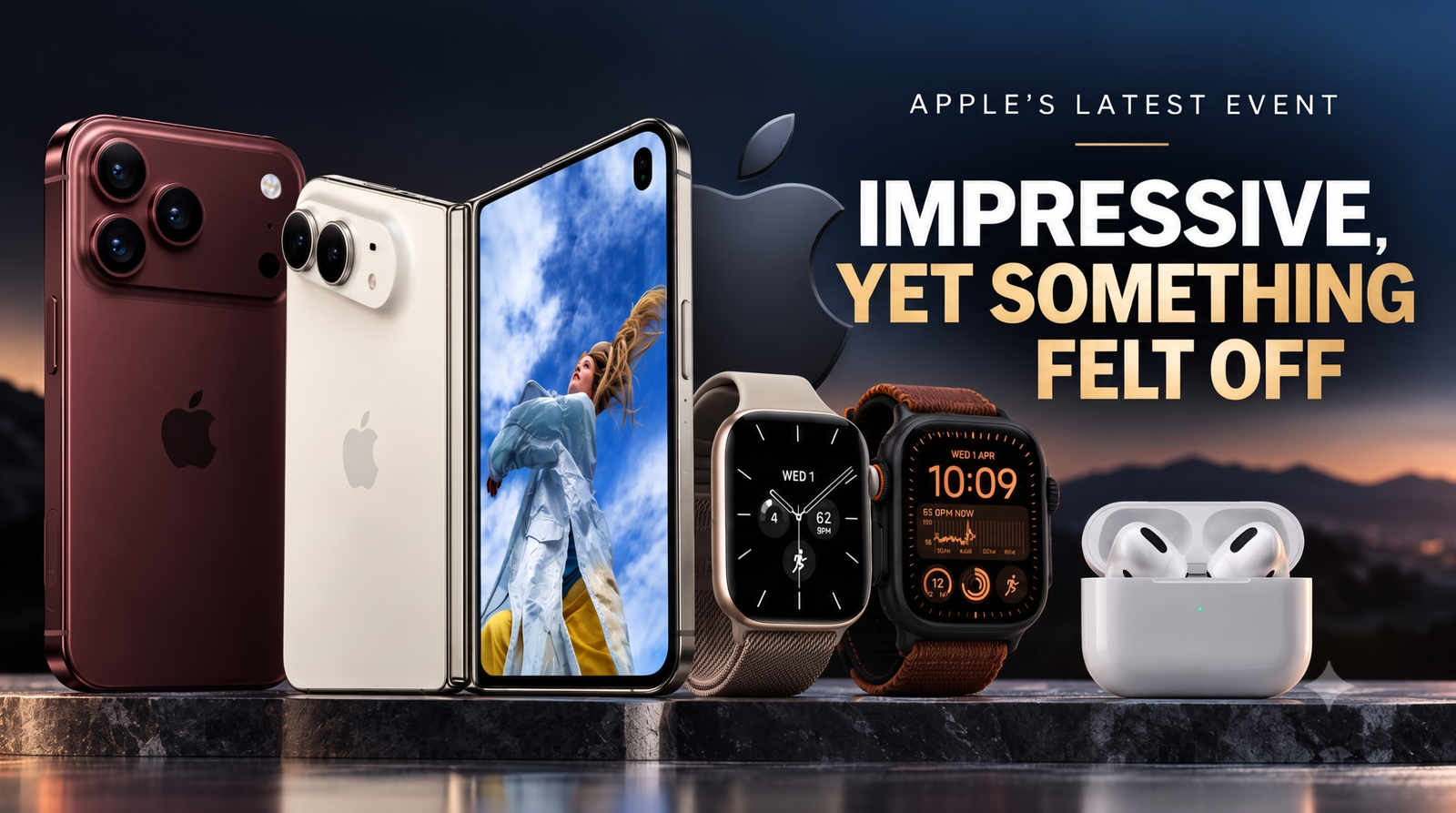
Apple’s Latest Event: Impressive, Yet Something Felt Off
Apple’s Latest Event Left Me With Mixed Feelings
On one hand, Apple once again showed why it remains one of the strongest names in consumer technology. The engineering behind some of these new products is genuinely impressive—especially the physical variable aperture on the iPhone 18 Pro and the 2nm A20 Pro chip. These are the kinds of developments that remind you just how far Apple can push its hardware.
But on the other hand, I couldn’t shake the feeling that something was missing.
Apple’s September event introduced the iPhone Duo, iPhone 18 Pro lineup, Apple Watch Series 12, Apple Watch Ultra 4, and AirPods 5.
After watching the entire event, I found myself thinking that Apple is becoming increasingly comfortable with refinement. The technology is getting better, performance is improving, and the products are becoming more polished—but where was the big, unexpected idea that would genuinely surprise me?
The familiar designs didn’t help either. The Apple Watch still looks very much like an Apple Watch, the Pro iPhones continue along a familiar design path, and even though the underlying technology has improved, the overall experience feels increasingly iterative.
Then there’s the pricing.
This time, Apple seems to have pushed its premium products even further into ultra-premium territory. Add to that the fact that some of the more interesting software and AI features are coming later this year, and the excitement starts to feel a little less convincing.
And yet, there was one product that completely changed the mood for me.
The iPhone Duo.
Apple finally entered the foldable phone market, and while it may have arrived late, its first attempt immediately caught my attention.
So, what did I actually like about Apple’s latest event? And why, despite all that impressive engineering, did I still walk away feeling that something felt off?
Let’s talk about it.
The Pro iPhones Still Have Some Serious Engineering Behind Them
My first reaction to the iPhone 18 Pro and Pro Max was genuinely positive. There are several things here that made me feel Apple has done some impressive work under the hood.
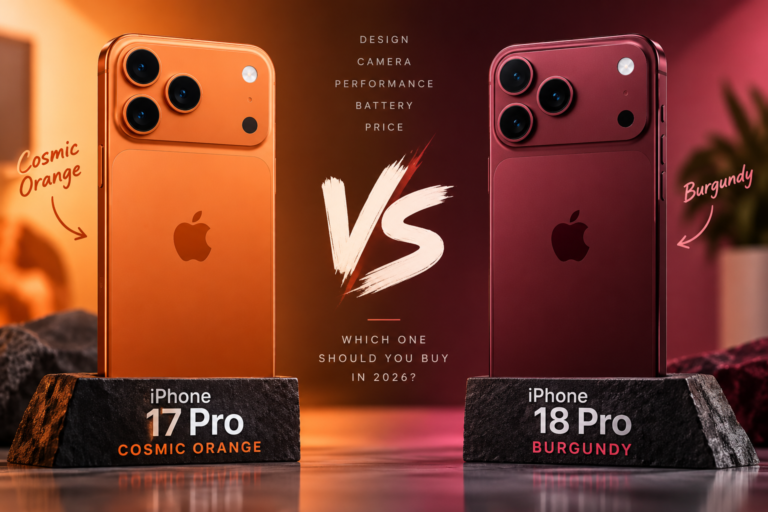
The feature that caught my attention the most was the physical variable aperture on the main 48MP Fusion camera, ranging from f/1.48 to f/4.0. For me, this is one of the more interesting camera upgrades Apple has introduced in recent years because it is an actual hardware change rather than just another computational photography improvement.
Then there’s the A20 Pro chip, built on a 2nm process. According to Apple, it delivers up to 20% faster CPU performance, up to 40% faster graphics performance, and 50% more memory bandwidth compared with the previous generation.
Those numbers are certainly impressive, but what I find more interesting is what they represent: Apple continues to push its silicon technology further, and that engineering advantage is becoming increasingly difficult to ignore.
I also liked what Apple has done with the rear camera system. All three cameras—the Main, Ultra Wide, and Telephoto—are now 48-megapixel sensors, while the Telephoto camera offers 4x optical zoom and up to 8x optical-quality zoom.
That kind of consistency across the camera system is something I genuinely appreciate. It makes the entire setup feel more cohesive rather than treating one camera as the obvious star and the others as secondary options.
So yes, Apple deserves credit here.
But if I take away the 2nm A20 Pro chip and the physical variable aperture, the iPhone 18 Pro models still feel largely like refinements to me.
And that, I think, is where my mixed feelings about this event begin.
Apple has clearly done some serious engineering work. The question is whether all of that engineering translates into an equally meaningful upgrade for the person actually using the phone.
For me, the answer isn’t a clear yes.
And then there’s charging.
The iPhone 18 Pro models still support 25W MagSafe and Qi2 wireless charging. At this point, honestly, calling that “fast” feels a little difficult to me.
Apple can build a 2nm chip and a sophisticated variable-aperture camera system, yet wireless charging still feels like an area where the company is playing far too safe.
That contrast pretty much sums up my reaction to the Pro iPhones: incredible engineering, but not quite the generational leap I was hoping to see.
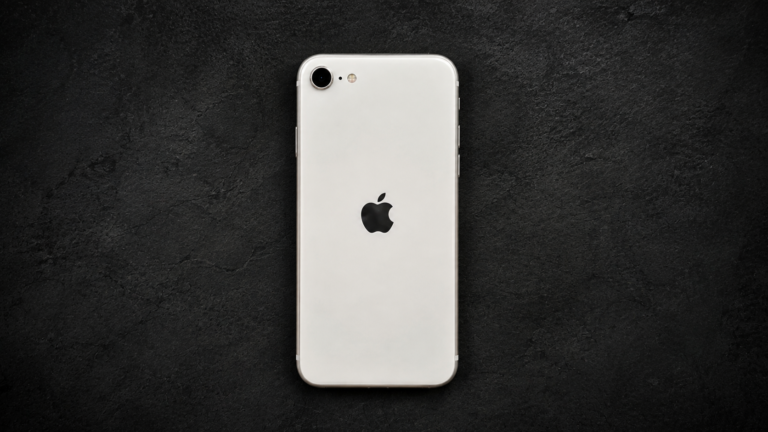
If you’re curious about how I feel about older iPhones after years of real-world use, you can also read my [iPhone SE (2020) After 6 Years Review].
Apple Watch Series 12 Feels Like More of the Same
The Apple Watch Series 12 was probably the product I felt most neutral about during the event. There was nothing particularly wrong with it, but at the same time, I didn’t see enough here to make me genuinely excited.
The biggest improvement that caught my attention is the new and upgraded Health Sensing System. Apple has added high-frequency heart-rate tracking, improved HRV (Heart Rate Variability) sensing, and better optical and electrical sensors, which should help make health metrics more accurate.
That is certainly a welcome improvement.
But then I looked at the watch itself, and I couldn’t help thinking: haven’t we seen this design for long enough now?
There is no major visual redesign here. The overall design language remains familiar, and while I understand that Apple has found a formula that works, I think it’s about time the company brought some visual freshness to the Apple Watch.
For me, that’s becoming increasingly important.
The other disappointment is the battery life. Apple has made charging considerably faster, with the watch reaching 0–80% in around 30 minutes, but the normal battery life is still rated at around 24 hours.
And honestly, that feels difficult to ignore in 2026.
When some competing smartwatches can offer three, five or even more days of battery life, having to think about charging your smartwatch every day still feels like a weakness. Faster charging certainly helps, but I’d much rather have a substantial improvement in actual battery endurance.
So, while the upgraded health sensing system is a meaningful step in the right direction, the overall package doesn’t feel like a major upgrade to me.
The Apple Watch Series 12 feels more like refinement than reinvention.
And personally, even if I were looking for a new smartwatch, its expected premium pricing wouldn’t make it particularly attractive to me.
The Ultra 4 Finally Fixes One Thing I’ve Been Waiting For
My reaction to the Apple Watch Ultra 4 was pretty much the same as the Series 12: neutral.
However, there was one change that genuinely stood out to me—the battery life.
Apple has increased the rated battery life from around 42 hours on the previous models to up to 50 hours with normal use. And honestly, this is the kind of improvement I want to see more often from Apple.
Unlike a small performance bump that may not be noticeable in everyday use, better battery life is something users can actually appreciate every single day.
Unfortunately, that’s where much of my excitement ends.
The design, for example, remains almost unchanged. The same 49mm rugged form factor is still here, and if you were expecting Apple to give the Ultra a completely new look this year, you might be disappointed.
Personally, I think it’s time Apple did something more adventurous with the design.
There are also some limitations that become more noticeable when you compare the Ultra 4 with dedicated sports watches. For example, there’s still no ANT+ support, native heart-rate broadcasting to gym equipment isn’t there, and importing GPX routes directly into Apple’s native Workout app still requires third-party solutions.
These may not matter to the average Apple Watch user, but they do matter if Apple wants the Ultra to be taken seriously as a professional sports watch.
And then we come to the price.
With a starting price of around ₹1,09,900 ($799 in the US), the Ultra 4 is firmly in premium territory. For an average consumer, that’s a lot of money to spend on a smartwatch.
Would I buy one?
No. Absolutely not.
The battery improvement is welcome, but for me, it isn’t enough to justify the price or overcome the lack of a meaningful design refresh and some of the sports-focused limitations.
The Ultra 4 is better in one important area, but I still don’t see it as a compelling upgrade for my money.
AirPods 5 Didn’t Quite Win Me Over
My first reaction to the AirPods 5 was slightly different from the rest of the lineup. I wasn’t particularly excited, but there were still a few things that caught my attention.
The biggest one was the open-ear design with more powerful Active Noise Cancellation. Apple has combined a new multiport acoustic architecture with computational audio to make ANC work better without changing the basic open-ear experience. That’s an interesting approach, and I can see why it would appeal to people who don’t like the sealed feeling of traditional in-ear earbuds.
But then I started looking at how Apple has divided the features between the different versions, and that’s where I became less impressed.
The basic AirPods 5 don’t get a wireless charging case, while features such as stem volume swipe controls are also reserved for the more expensive variant. So if you want the more complete experience, you have to pay extra.
And honestly, that left me wondering: is this really a meaningful upgrade, or just another way of making you climb up the pricing ladder?
For me, it’s the latter.
The AirPods 5 do bring some interesting improvements, particularly the open-ear ANC, but I didn’t see enough here to make me feel that I needed to upgrade. In fact, if I were buying AirPods for myself, I’d still be quite happy with an older model rather than spending more on these.
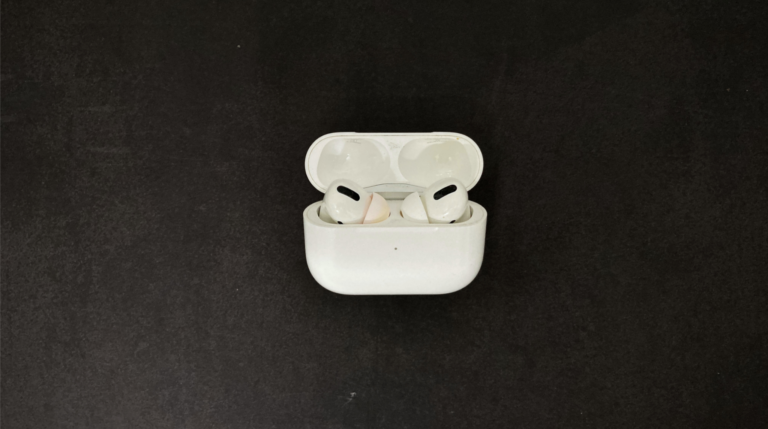
I’ve actually been using the first-generation AirPods Pro for years, and you can read my long-term experience with them here: [AirPods Pro (1st Gen) After 4 Years Review].
So while the AirPods 5 aren’t bad by any means, they simply didn’t give me that “I want these” feeling that Apple probably hoped for.
Where This Apple Event Started Losing Me
This is where my excitement from the event started to fade.
The biggest issue for me was the way Apple seemed to push the standard iPhone lineup into the background, while putting much more attention on its expensive Pro models and the new foldable iPhone Duo.
I understand why Apple does this. The Pro models are where the company can showcase its latest technology, and the Duo is obviously the headline product. But as someone watching the event as a regular tech enthusiast, I couldn’t help feeling that Apple was increasingly moving away from products that feel accessible to the average buyer.
The other problem is familiarity.
The Apple Watch still looks like an Apple Watch. The Pro iPhones continue with a design language we’ve already seen for several generations. Even when the technology underneath is improving, the visual experience is becoming predictable.
And I think that’s what bothered me the most.
Apple has never been a company that changes things just for the sake of changing them, and I actually respect that approach. But there comes a point where refinement starts feeling repetitive. I want Apple to surprise me again—not just make the same products a little faster, smarter or more capable.
And this event came surprisingly close to making me feel exactly that.
Refinement Is Good. But Where Is the Boldness?
I have nothing against refinement. In fact, I think it is an important part of making technology better.
But when an entire event starts feeling like a collection of refinements, I think it becomes fair to ask whether Apple is playing things a little too safe.
The iPhone 18 Pro has the variable aperture and the 2nm chip. The Apple Watches have better health tracking and longer battery life. The AirPods 5 bring stronger ANC to an open-ear design. All of these are meaningful improvements in their own ways.
But when you look at the bigger picture, most of these products still feel like familiar products becoming better versions of themselves.
That isn’t necessarily a bad strategy for Apple. It may actually be a very sensible one. But as a technology enthusiast, I miss the feeling of seeing something that makes me genuinely curious about where the industry is heading.
Ironically, the iPhone Duo was the one product that finally gave me that feeling.
And that says quite a lot about this event. Apple clearly still knows how to create excitement when it decides to step outside its established formula. The question is: why does that feeling seem increasingly rare across the rest of its lineup?
“Coming Later This Year” Shouldn’t Be the Highlight
Another thing that took some of the excitement away for me was Apple’s approach to some of its software and AI features.
There were several interesting features shown during the event, including things related to health, AI, and the overall software experience. But the problem is that some of the features that could have made these new devices feel more special won’t actually be available at launch.
Instead, we’re once again hearing that they are “coming later this year.”
And honestly, that doesn’t feel great when you’re watching a launch event.
If Apple is introducing a new generation of products, I want the software that makes those products interesting to be ready when the hardware reaches customers. Otherwise, the launch starts feeling slightly incomplete.
This is especially noticeable with Apple, because the company has always been very good at presenting hardware and software as one complete experience. So when an interesting AI or software feature is shown on stage but isn’t available immediately, the excitement naturally gets pushed into the future.
For me, that was one of the biggest disappointments of this event.
The hardware may be ready. The software may eventually be excellent. But if I have to wait months to experience some of the features that helped sell me on the product in the first place, “coming later this year” starts sounding less like an exciting promise and more like a reminder that the launch wasn’t quite finished.
And Then There’s the Price
And then we come to the part that, for me, was probably the hardest to ignore: the pricing.
Apple’s products have never been cheap, and that isn’t exactly news. But this time, the prices felt like they had moved even further away from what an average consumer can comfortably justify.
The iPhone 18 Pro is already a premium phone, while the iPhone Duo takes things into an entirely different territory. And what makes this more difficult to digest is that even some of the older models, including the iPhone 17, have seen their prices move upward.
I understand that there are factors behind rising prices, including the ongoing pressure around component and memory costs. But from a buyer’s perspective, the reason doesn’t change the reality: you still have to pay more.
And that creates an interesting situation for Apple.
The products may be technically impressive. The engineering may be excellent. The ecosystem is still one of the strongest in the industry. But when the price keeps climbing, the question changes from “How good is this product?” to “Is it actually worth this much money?”
For me, that answer becomes increasingly difficult to give.
Apple is making some genuinely impressive products, but it is also making them increasingly difficult for the average buyer to justify.
And that becomes even more interesting when we get to the one product that actually managed to surprise me—the iPhone Duo.
The iPhone Duo: The Most Interesting—and Complicated—Part of the Event
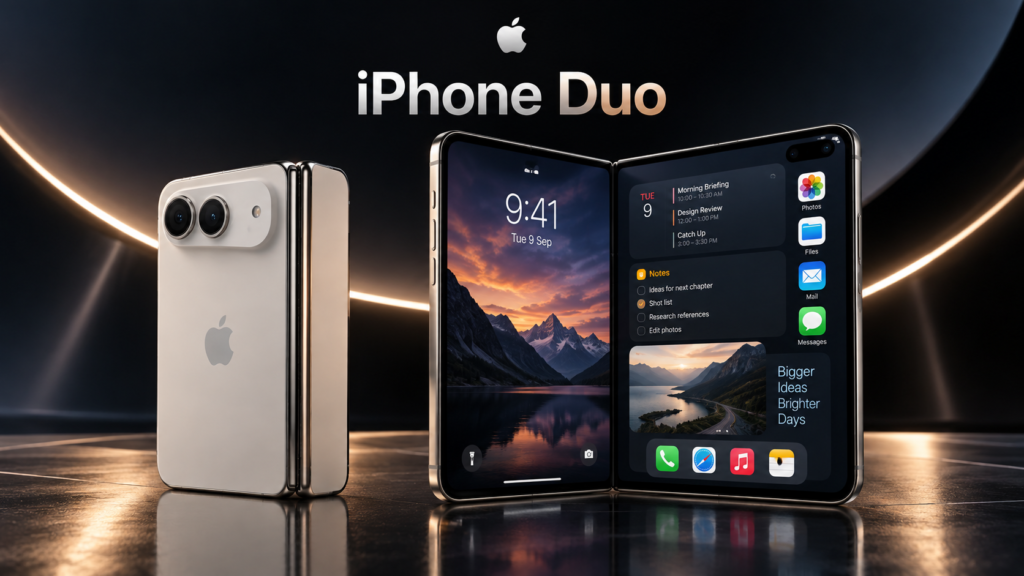
And then came the iPhone Duo.
This was the moment when my reaction completely changed.
Finally, Apple has entered the foldable phone world. And honestly, it made quite an entrance. The moment I saw the Duo, my first thought was: Apple has finally done it—and it has done it in style.
What impressed me most wasn’t simply the fact that it folds. Android manufacturers have been making foldable phones for years. What caught my attention was the way Apple approached the form factor.
The Duo looks incredibly slim and refined, with a seamless unibody design that makes the phone feel more like a solid glass slab when unfolded. The crease is also impressively well handled, and the overall balance of thickness and weight makes it look considerably less awkward than some of the early generations of foldable phones.
This is the kind of product where Apple’s obsession with fit and finish actually makes sense.
But is it truly bold?
Yes—and no.
Yes, because Apple is finally breaking away from its usual smartphone formula and entering a completely different form factor. That alone is a big step for a company that has spent years refining the traditional iPhone.
But at the same time, Apple is also very late to the party. Samsung and several other Android manufacturers have already spent years experimenting with foldable phones, improving their designs and figuring out what works and what doesn’t.
So I wouldn’t call the Duo an industry-defining bold move.
To me, it feels more like an inevitable and carefully calculated step into a category Apple knew it couldn’t ignore forever.
And yet, there was one thing about the Duo that genuinely excited me: the software experience.
The dynamic split-screen multitasking and Continuity interface are exactly the kind of features I want to see on a foldable iPhone. The way the interface adapts as you fold and unfold the device, combined with a larger display and Apple Intelligence-powered multi-window functionality, makes the Duo feel like it could actually serve as a different kind of computing device—not simply a phone that happens to fold.
As someone who spends a lot of time writing and working with technology, that larger, flexible workspace is genuinely appealing to me.
But the Duo isn’t perfect.
The biggest compromise, at least from my perspective, is the camera system. Apple has had to make some hardware compromises to accommodate the foldable design and battery requirements, and the Duo doesn’t carry the same variable-aperture camera setup as the standard Pro models.
And then there’s durability.
Yes, the hardware looks beautifully engineered, but with any foldable phone, there’s always that little question in the back of your mind: how will this hold up after years of real-world use?
That’s something I would want Apple to address much more deeply. A foldable phone can look flawless on day one, but what matters to me is how that hinge, display, and overall construction behave after two, three, or even four years.
And finally, there’s the price.
The iPhone Duo is expensive. Really expensive.
At this price, I don’t see it as a mainstream iPhone for the average consumer. It feels much more like a premium luxury product for enthusiasts, early adopters, and people who simply want the most unusual iPhone Apple makes.
There is definitely a “foldable tax” here.
Would I buy one if money wasn’t a limitation?
Honestly, yes.
The combination of a large display, multitasking, and a genuinely different form factor would make it incredibly tempting for my daily workflow—especially for writing, content creation, and working on the go.
But if I had to spend my own money with value and practicality in mind, I’d still choose the standard Pro model. It looks like the more sensible and reliable package for everyday use.
And that’s perhaps the most interesting thing about the iPhone Duo.
It was easily the most exciting product of the entire event for me.
While the iPhone 18 Pro, Apple Watch Series 12 and Ultra 4 mostly felt like refined versions of products we already know, the Duo brought something genuinely new to the table.
Apple may have arrived late to the foldable party, but when it finally decided to show up, it reminded everyone that it can still make an entrance.
My Final Take: Impressive, But Something Felt Off
After sitting with everything Apple showed, my feelings about this event are still mixed.
There’s no question that Apple’s engineering remains impressive. The 2nm A20 Pro chip, the physical variable aperture on the iPhone 18 Pro, the improvements to the Apple Watch health sensors, and the way Apple has approached the foldable iPhone all show that the company still knows how to build technically sophisticated products.
But technical excellence alone doesn’t automatically make an event exciting.
For me, too much of this event felt like refinement rather than reinvention. Familiar designs, incremental improvements, software features arriving later, and prices that continue to move upward made it harder to feel genuinely excited about much of the lineup.
And then there was the iPhone Duo.
That was the one product that made me sit up and think, “Okay, this is interesting.” It may be late, it may be expensive, and it may come with its own compromises—but at least it feels like Apple is trying something genuinely different.
Perhaps that’s what I was looking for throughout the event.
Not necessarily more features. Not necessarily bigger numbers. Just a little more boldness.
Apple doesn’t need to reinvent every product every year. Refinement is important, and in many cases, it’s exactly what consumers want. But when a company reaches Apple’s level, I think it can afford to take a few more risks.
So, was this a bad Apple event?
No. Not at all.
Was it a great one?
For me, not quite.
It was a showcase of impressive engineering, polished products, and Apple’s ability to enter a new category with confidence. But somewhere between the familiar designs, delayed software, limited upgrades, and eye-watering prices, the excitement got diluted.
And that’s why I walked away with a rather simple feeling:
Impressive, yes. Exciting, not always.
Maybe that’s what felt off this time.
2 Comments