iPhone 17 Pro vs iPhone 18 Pro: Which One Should You Buy in 2026?
iPhone 17 Pro vs iPhone 18 Pro: The Newer iPhone Isn’t Automatically the Better Buy
The iPhone 17 Pro vs iPhone 18 Pro comparison is already getting a lot of attention, and as expected, the conversation has quickly moved from “What’s new?” to the much more practical question: “Should I actually buy the newer Pro?”
On paper, the answer might seem obvious. The iPhone 18 Pro comes with Apple’s newer A20 Pro chip, a new variable-aperture 48MP Fusion Main camera, improved thermal management, and faster charging. Apple is also promising better sustained performance and some meaningful camera improvements.
But there’s a catch.
The iPhone 17 Pro is still a very capable Pro iPhone, and Apple currently lists its 256GB model at ₹1,34,900 in India.
That creates a much more interesting comparison than simply asking which phone has better specifications.
If you’re upgrading from an older iPhone and want the latest hardware, the iPhone 18 Pro makes a lot of sense. But if you’re trying to get the best Pro iPhone for your money, the iPhone 17 Pro suddenly becomes much harder to ignore.
So instead of going through a giant specification sheet, let’s look at where the iPhone 18 Pro genuinely moves things forward—and where the iPhone 17 Pro may still be the smarter purchase.
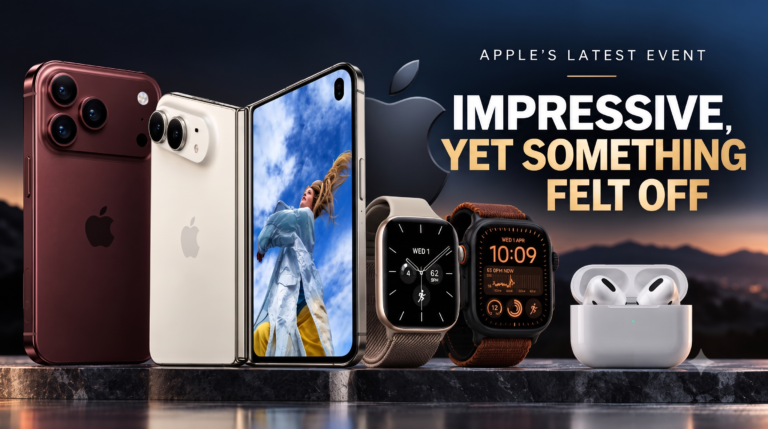
If you want to know what else Apple announced this year, I’ve also shared my thoughts on Apple’s latest event, including the iPhone Duo, iPhone 18 Pro, Apple Watch Series 12 and AirPods 5.
The Two Pros Look Almost Like Twins — Until You Start Looking Closer
At first glance, the iPhone 17 Pro and iPhone 18 Pro are surprisingly difficult to tell apart.
Both have a 6.3-inch Super Retina XDR OLED display, ProMotion up to 120Hz, Always-On display, and Dynamic Island. Both also use an aluminium unibody design with Ceramic Shield protection.
So if you were expecting Apple to completely redesign the Pro iPhone this year, that isn’t what happened.
The dimensions are practically identical too. Both are 150mm tall, 71.9mm wide, and 8.75mm thick. The iPhone 18 Pro, however, weighs 211g, while the iPhone 17 Pro is listed at around 204–206g depending on the regional specification page.
The more interesting changes are hiding beneath that familiar exterior.
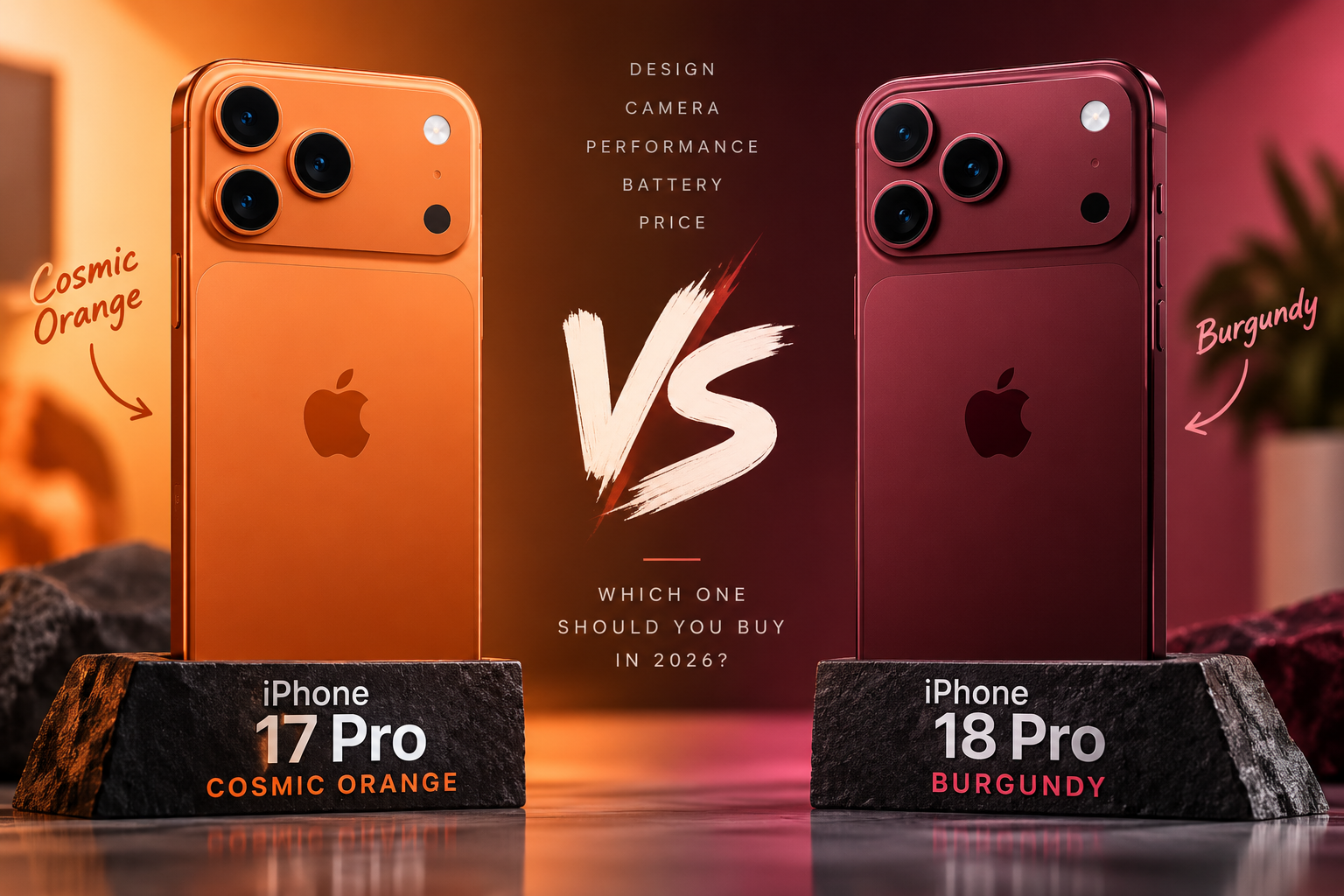
The iPhone 18 Pro gets Ceramic Shield 2 on the front and back, along with a redesigned Dynamic Island that can show more information at once. Apple is also offering it in Black, Silver, Glacier and Burgundy, while the iPhone 17 Pro comes in Silver, Cosmic Orange and Deep Blue.
And honestly, I don’t think the display itself is a reason to jump from the 17 Pro to the 18 Pro. Both phones already offer an excellent 6.3-inch 120Hz OLED experience.
The real differences start once you move from the screen to the cameras and the chip.
The Camera Is Where the iPhone 18 Pro Finally Gives You a Reason to Look Twice
This is probably the most meaningful hardware difference between the two generations.
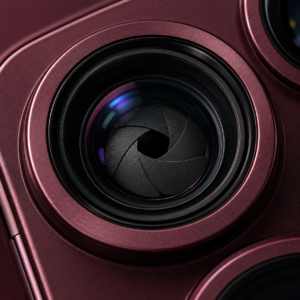
The iPhone 17 Pro already has a very capable 48MP Fusion camera system, so Apple didn’t need to completely reinvent the setup. Instead, with the iPhone 18 Pro, Apple has changed something that actually matters when you’re taking photos: the main camera now has a variable aperture.
You can also check Apple’s official iPhone 18 Pro specifications for the complete camera and hardware details.
The 48MP Fusion Main camera can switch between ƒ/1.48, ƒ/1.8, ƒ/2.8, and ƒ/4.0 apertures. In simple terms, the camera can control how much light enters the lens and how much of the scene stays in focus.
That could make a noticeable difference in situations where smartphone cameras usually struggle—especially indoor and low-light photography. Apple says the wider ƒ/1.48 aperture can deliver around 50% better low-light performance.
There’s also more control for people who actually like to play with their camera settings. The iPhone 18 Pro adds Pro controls for things such as aperture and shutter speed, while its 48MP telephoto camera supports up to 8x optical-quality zoom.
The iPhone 17 Pro isn’t suddenly a bad camera phone, though. Its 48MP Fusion system, 48MP Ultra Wide, and 48MP Telephoto setup is still seriously capable.
So here’s how I see it:
If you already own an iPhone 17 Pro, the camera upgrade alone probably isn’t enough to make you rush out and replace it.
But if you’re buying your first Pro iPhone and photography is high on your priority list, the iPhone 18 Pro’s variable-aperture main camera makes the newer model considerably more interesting.
And then there’s the A20 Pro chip—where Apple is making a much bigger performance argument.
₹30,000 More for the iPhone 18 Pro: Is the Upgrade Worth It?
This is where the comparison gets genuinely interesting.
The iPhone 17 Pro starts at ₹1,34,900 in India, while the iPhone 18 Pro starts at ₹1,64,900. That puts a ₹30,000 gap between the two at their starting prices.
₹30,000 is not a small difference.
Yes, the iPhone 18 Pro gives you newer hardware, including the A20 Pro chip and its new variable-aperture main camera. But the iPhone 17 Pro is hardly an outdated phone. You’re still getting a high-end Pro display, a powerful Pro chip, a capable camera system, and the overall iPhone Pro experience.
So the real question isn’t whether the iPhone 18 Pro is better—it obviously is in several areas.
The question is whether those improvements are worth ₹30,000 more.
If you want the newest technology and plan to keep your phone for several years, paying the premium for the iPhone 18 Pro can make sense.
But if you’re trying to get the best value from a Pro iPhone, especially if the iPhone 17 Pro gets further discounts from retailers, the older model could be the more sensible choice.
And honestly, ₹30,000 is exactly where this comparison stops being about specifications and starts being about value.
The iPhone 18 Pro Wins on Battery, But the 17 Pro Isn’t Exactly Struggling
Battery life is another area where the iPhone 18 Pro has an advantage, although I wouldn’t call it a night-and-day upgrade.
Apple has improved the efficiency of the A20 Pro and made changes to the internal design that help the iPhone 18 Pro deliver longer battery life. For someone who spends a lot of time shooting photos and videos, gaming, navigating, or simply using the phone heavily throughout the day, that extra endurance can be genuinely useful.
The iPhone 17 Pro, however, already offers very good battery life for a Pro iPhone.
And this is an important distinction when comparing the two.
Better battery life is something you’ll appreciate every day, but it may not be something you’ll notice as a dramatic upgrade from the 17 Pro.
If you’re buying a new phone today, I’d happily take the additional endurance of the iPhone 18 Pro.
But if you’re already using an iPhone 17 Pro, I wouldn’t upgrade just for the battery.
At this point, the iPhone 18 Pro has advantages in performance, camera flexibility, and battery life—but we’re still left with the biggest question of all:
Which one actually makes more sense for your money?
So, Which Pro iPhone Makes More Sense in 2026?
If you look at the two phones purely as products, the iPhone 18 Pro is clearly the more advanced device.
You get the newer A20 Pro chip, a more flexible variable-aperture main camera, better battery endurance, and the benefit of buying the latest generation.
But this isn’t a simple “newer is better” situation.
The ₹30,000 price gap changes the equation. The iPhone 17 Pro already gives you most of what people actually expect from a Pro iPhone: an excellent display, flagship-level performance, a versatile camera system, and plenty of performance headroom for the years ahead.
So I’d break it down like this:
Buy the iPhone 18 Pro if:
You want the latest hardware, care about the camera improvements, want maximum battery life, and don’t mind spending the extra ₹30,000.
Buy the iPhone 17 Pro if:
You want a premium iPhone experience but would rather keep ₹30,000 in your pocket. It’s especially worth considering if you find the 17 Pro at a good retail discount.
And if you already own an iPhone 17 Pro, I’d think twice before upgrading. The 18 Pro is better, but the improvements aren’t necessarily big enough to justify replacing a perfectly capable 17 Pro after just one generation.
For a first-time Pro buyer, though, the decision is much closer—and that’s where the final verdict gets interesting.
My Verdict: The iPhone 18 Pro Is Better, But the iPhone 17 Pro Might Be the Smarter Buy
If money isn’t the deciding factor, I’d pick the iPhone 18 Pro.
It is the more complete package. The newer A20 Pro chip, variable-aperture main camera and improved battery life give it enough meaningful upgrades to justify calling it the better phone.
But better phone and better value are two different things.
With a ₹30,000 difference between the starting prices, the iPhone 17 Pro makes a surprisingly strong case for itself. You’re still getting a genuinely high-end Pro iPhone, and for everyday use, I don’t think most people would feel like they’re using an inferior phone.
So my recommendation is pretty simple:
Want the latest and don’t mind spending more? Go for the iPhone 18 Pro.
Want the Pro experience while keeping ₹30,000 in your pocket? The iPhone 17 Pro is the one I’d seriously consider.
And if you’re upgrading from an iPhone 17 Pro, I’d personally skip this generation unless the camera improvements or newer hardware specifically matter to you.
Because sometimes the smartest upgrade isn’t buying the newest iPhone.
It’s knowing when your current iPhone is already good enough.
A Final Thought Before You Pick Your Pro
The iPhone 17 Pro and iPhone 18 Pro are both excellent phones, but they’re aimed at slightly different buyers.
The 18 Pro is for someone who wants the latest and greatest Apple has to offer. The 17 Pro is for someone who knows that last year’s flagship can still be a smarter purchase when the savings are substantial.
And that’s probably the biggest takeaway from this comparison.
You don’t always need the newest iPhone to get a great iPhone.
Sometimes, the better deal is the better decision.