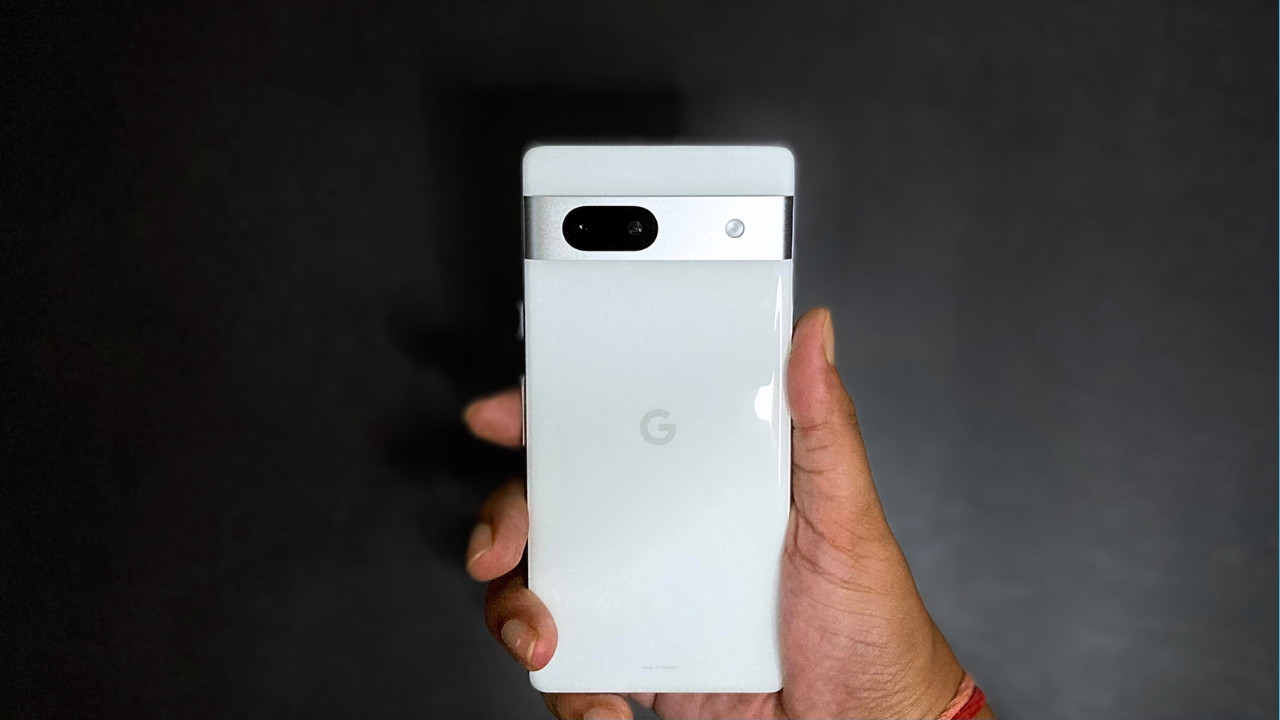
Google Pixel 7a Long-Term Review (2026): The Good, The Bad & The Unexpected
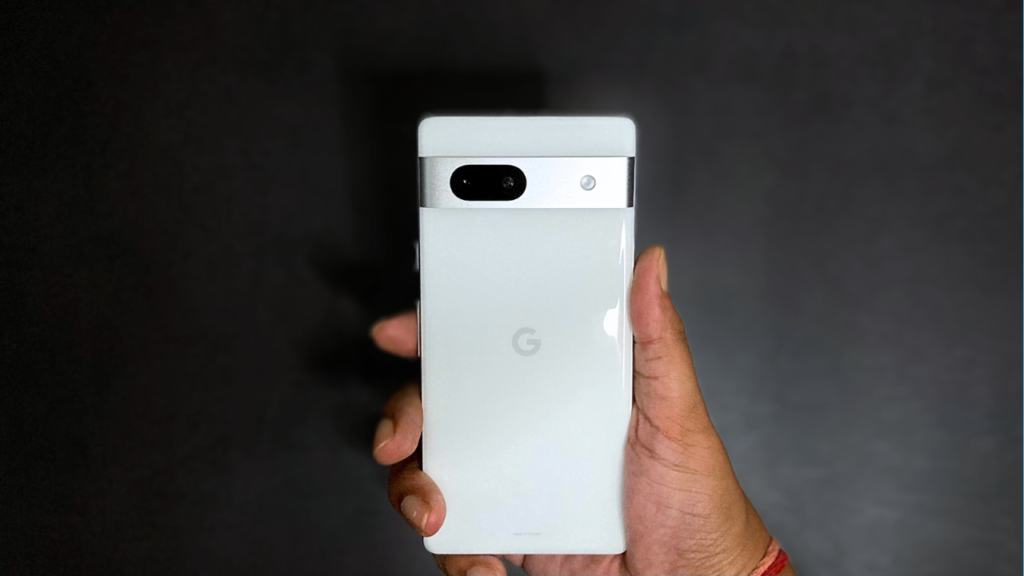
Hi, I’m Brijesh Yadav.
In this Google Pixel 7a Long-Term Review, I’ll share what has impressed me, what has disappointed me, and whether I still recommend it in 2026.
When it comes to smartphones, many people believe the real test begins the moment a phone is unboxed. I don’t share that opinion. In my experience, you can only judge a smartphone properly after using it consistently for several months—or even years.
In this case, I’ve been using this smartphone as my daily driver for three years. That means the insights I’m about to share aren’t based on first impressions or a week of testing. They’re based on real, long-term usage, covering the kind of details that many reviews simply don’t talk about.
Yes, I’m talking about the Google Pixel 7a.
Over the last three years, I’ve used the Pixel 7a every single day, and in this article, I’ll share my complete long-term experience with the device. We’ll look at how it has aged over time, whether its performance still holds up in 2026, which aspects remain impressive, and which shortcomings have become impossible to ignore after years of real-world use.
- Google Pixel 7a at a Glance
- Why I Bought the Pixel 7a
- Design & Build After 3 Years
- Display: Still One of the Pixel 7a's Strongest Features
- Battery Life: The Pixel 7a's Biggest Weakness
- Performance: Still Smooth for Everyday Use
- Cameras: The Pixel Experience Still Shines
- Software Experience: This Is Where the Pixel 7a Truly Stands Out
- Final Verdict: Is the Pixel 7a Still Worth Buying in 2026?
- Pros
- Cons
Google Pixel 7a at a Glance
Before we dive into the long-term experience, here’s a quick look at the Pixel 7a’s key specifications.
| Specification | Details |
|---|---|
| Launch Year | May 2023 |
| Display | 6.1-inch FHD+ OLED, 90Hz, HDR Support |
| Processor | Google Tensor G2 |
| RAM | 8GB LPDDR5 |
| Storage | 128GB UFS 3.1 |
| Rear Camera | 64MP (Main) + 13MP (Ultrawide) |
| Front Camera | 13MP |
| Battery | 4385mAh |
| Charging | 18W Wired, 7.5W Wireless |
| Software (Current) | Android 17 (July 2026 Security Patch) |
| IP Rating | IP67 |
| Review Period | 3 Years of Daily Use |
Why I Bought the Pixel 7a
I bought the Google Pixel 7a in 2023 after comparing several smartphones in the same price range. The two biggest reasons behind my decision were its excellent camera system and Google’s clean, bloatware-free Android experience. Friends who had been using Pixel phones for years also spoke highly of the software and camera quality, which gave me the confidence to make the switch.
I was searching for a handset that provided high-tier photography without the baggage of a cluttered UI. I specifically wanted to avoid the annoyance of pre-loaded bloatware and complex skins, opting instead for the fluidity of stock Android. I needed a reliable companion that could capture great shots at a moment’s notice while remaining fast and predictable in daily operation.
After using the Pixel 7a for nearly three years, I can now evaluate whether those expectations were actually met—and where the phone exceeded or fell short of them.
With that established, let’s dive into the aesthetics and structural integrity of the device to see how it has physically endured through three years of constant handling.
Design & Build After 3 Years
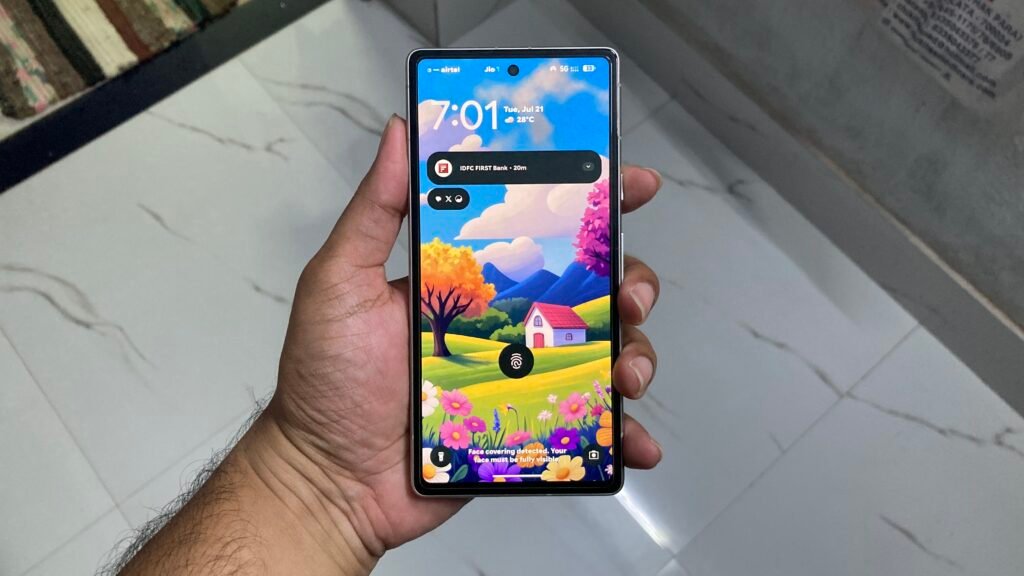
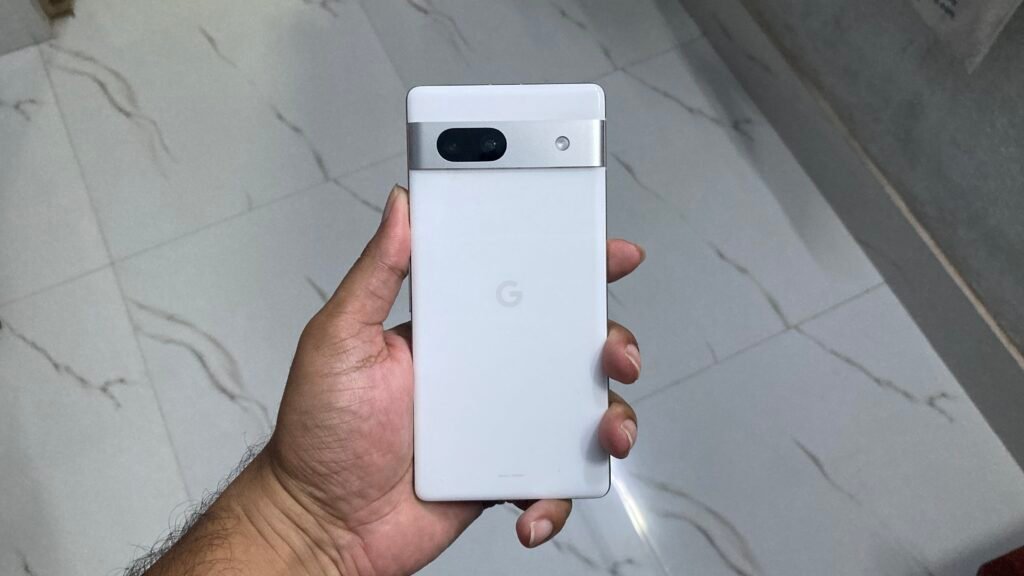
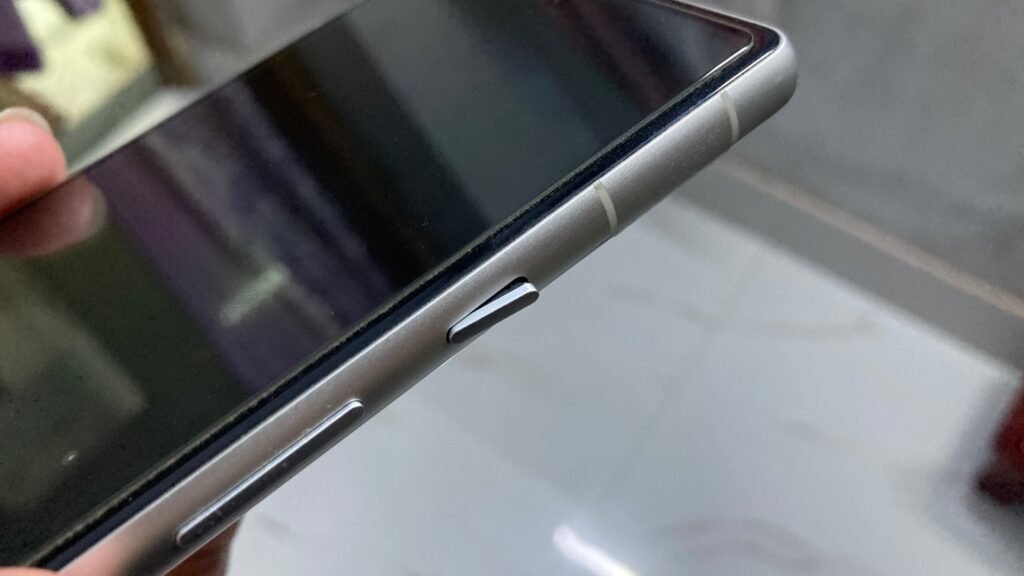
When it comes to the design and build quality of the Google Pixel 7a, I’d say it strikes a great balance between simplicity, practicality, and a premium in-hand feel. Even after three years of daily use, the phone remains comfortable to hold, thanks to its compact form factor, which makes one-handed use effortless.
One thing I can confidently say is that the Pixel 7a doesn’t feel outdated in terms of design. Its minimalist look has aged remarkably well, and even today, it blends in comfortably with many newer smartphones.
That said, the build quality hasn’t aged as gracefully.
The plastic back panel has started to feel less sturdy over time, and some of the physical buttons are beginning to show signs of wear. In my case, the power button has become inconsistent and occasionally unresponsive, which clearly suggests that its durability is starting to decline after years of regular use.
Fortunately, these issues haven’t taken away from the phone’s overall solid feel. Despite the minor signs of aging, the Pixel 7a still feels well-built and dependable in everyday use. Personally, I’ve found that while its design may be understated, it continues to deliver a refined and reliable user experience even after three years.
Display: Still One of the Pixel 7a’s Strongest Features
As for the display, I can confidently say that the Google Pixel 7a has held up exceptionally well over the past three years. Even today, it’s one of the phone’s strongest aspects.
The 6.1-inch Full HD+ OLED display, paired with a 90Hz refresh rate, continues to deliver a smooth and responsive experience in everyday use. Whether you’re scrolling through social media, switching between apps, or simply navigating the interface, the display still feels fluid and enjoyable.
What has impressed me the most is how well the screen has aged. Even after three years of continuous use, the panel retains its excellent sharpness, vibrant colours, and deep contrast. Text remains crisp, images look detailed, and the overall viewing experience still feels premium.
The Pixel 7a also supports HDR10 playback, allowing compatible content to look richer with improved contrast and more lifelike colours. On streaming platforms like Netflix, HDR-supported content appears noticeably more immersive, making movies and TV shows look vibrant and visually engaging.
Brightness has never been a major concern in my day-to-day usage. Indoor visibility is excellent, while outdoor brightness is good enough for comfortable viewing under sunlight. Whether you’re watching YouTube, Netflix, or simply browsing the web, the display consistently feels bright, crisp, and pleasant to look at.
From my long-term experience, the Pixel 7a’s display has maintained both its visual quality and premium feel remarkably well, making it one of the phone’s biggest strengths even in 2026.
Battery Life: The Pixel 7a’s Biggest Weakness
Now let’s talk about the battery life—arguably the area where the Google Pixel 7a has disappointed me the most.
To be completely honest, I wouldn’t call the battery life terrible, but it has always been below average in my experience. Even when the phone was relatively new, battery endurance was never one of its strongest qualities.
In day-to-day usage—which includes social media, calling, web browsing, taking photos, and a bit of video streaming—the battery is still usable and can comfortably get through moderate use. However, it no longer feels as reliable or fresh as it once did.
There’s another important point worth mentioning here.
In October 2025, I had to get the battery replaced because my Pixel 7a developed a serious battery issue. The original battery swelled significantly, causing the back panel to lift off the device. I’ll cover that entire experience—including the warning signs, the replacement process, and everything that happened—in a separate, detailed article.
For now, what’s more surprising is that the replacement battery hasn’t performed particularly well either. It has now been in the phone for around 10 months, and after just two months of replacement, I started noticing that the battery backup was already becoming weaker than expected.
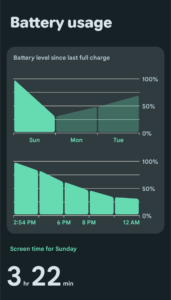
From my experience, battery drain is most noticeable while using the camera, gaming, enabling the hotspot, or relying on mobile data. Standby battery drain has also been a major concern. Even when the phone is left completely idle overnight, I’ve consistently noticed a battery drop of around 15–20%, which is far more than I would expect from a modern smartphone.
I’ll also include screenshots of my battery usage and consumption patterns in this section so you can get a clearer picture of what I’ve experienced over the years.
Charging performance doesn’t help much either. While the phone charges at a reasonable pace for casual use, it certainly doesn’t feel fast by today’s standards. Topping up the battery takes a decent amount of time, so expecting flagship-level charging speeds would be unrealistic.
Overall, battery life has been the Pixel 7a’s weakest area for me. From day one, it has never been particularly impressive, and even after replacing the battery, my experience hasn’t improved as much as I had hoped.
With the battery out of the way, the next big question is performance. So, let’s see how the Pixel 7a’s Google Tensor G2 chipset has held up after three years of real-world usage, and whether it still feels smooth in 2026.
Performance: Still Smooth for Everyday Use
| Task | Experience |
|---|---|
| Calling | Excellent |
| Excellent | |
| Smooth | |
| YouTube | Smooth |
| Gaming | Average |
| Camera | Good but heats |
After using the Google Pixel 7a as my primary smartphone for the past three years, I can confidently say that its performance has aged surprisingly well.
For everyday tasks such as calling, web browsing, social media, YouTube, WhatsApp, email, and light multitasking, the phone continues to feel smooth and responsive. Even after years of regular use, I haven’t noticed any significant slowdown in day-to-day performance, which speaks volumes about Google’s software optimisation and the efficiency of the Tensor G2 chipset.
Apps generally open quickly, animations remain fluid, and switching between multiple applications rarely feels sluggish. For the average user, the Pixel 7a still delivers a dependable and frustration-free experience.
Still, it’s important to understand what this phone was designed for.
The Pixel 7a was never meant to be a hardcore gaming smartphone or a device built for prolonged, resource-intensive workloads. If you push it with demanding tasks—such as extended gaming sessions, prolonged 4K video recording, or continuous camera usage—the phone does begin to warm up, and performance can become less consistent due to thermal throttling.
Heating has been one of the more noticeable issues during heavy camera use, and gaming performance has never been the Pixel 7a’s strongest suit. While casual games run without much trouble, I wouldn’t recommend this device to users who regularly play graphics-intensive titles or expect sustained flagship-level performance.
However, for the audience this phone is actually aimed at—people who prioritise a clean Android experience, reliable cameras, and smooth everyday performance—the Pixel 7a continues to perform remarkably well even in 2026.
Overall, I have few complaints about its performance. If your daily routine revolves around communication, productivity, media consumption, and casual use rather than heavy gaming or intensive workloads, the Pixel 7a remains a reliable and well-optimised smartphone that still feels fast enough for everyday use.
Cameras: The Pixel Experience Still Shines







When you hear the word “Pixel,” the first thing that comes to mind is almost always the camera. After all, Google’s Pixel smartphones have built their reputation around photography, and even after using the Pixel 7a consistently for the past three years, I can confidently say that this reputation is well deserved. I mean, camera performance is the one thing that has consistently impressed me throughout this Google Pixel 7a Long-Term Review.
In day-to-day photography, the Pixel 7a continues to deliver images that are sharp, detailed, and true to life. Rather than relying on overly saturated colours or excessive processing, the camera focuses on producing natural-looking photos with balanced exposure and realistic skin tones. Whether you’re capturing landscapes, portraits, food, or everyday moments, the results remain consistently reliable.
One thing that has impressed me the most is the camera’s consistency. Whether shooting indoors or outdoors, the image quality remains dependable, making it easy to trust the phone in almost any lighting condition. Even after three years of regular use, I haven’t noticed any significant decline in the quality of photos captured by the rear cameras. They continue to produce images that are more than good enough for social media, blogs, and even casual content creation.
The front camera, however, tells a slightly different story.
Compared to today’s smartphones, selfies from the Pixel 7a now feel a bit softer and less vibrant. The images aren’t as crisp as they once seemed, and it’s clear that the ageing selfie sensor is beginning to show its limitations against newer devices. While the front camera is still perfectly usable for video calls and occasional selfies, it no longer stands out the way it did when the phone was first launched.
The rear camera system, meanwhile, continues to be the device’s highlight. It consistently delivers excellent image quality and proves that Google’s image processing has aged remarkably well. Even in 2026, the Pixel 7a remains a smartphone that you can confidently rely on for photography.
For anyone who values a dependable camera over flashy specifications, the Pixel 7a still stands as one of the strongest choices in its class. Its camera isn’t just good for its age—it remains genuinely relevant, proving that great image processing can outlast hardware generations.
Software Experience: This Is Where the Pixel 7a Truly Stands Out

If there’s one area where Pixel smartphones have consistently outperformed the competition, it’s the software experience. Even after three years of daily use, I believe this remains the Pixel 7a’s biggest strength.
The phone runs a clean, bloatware-free version of Android, and that alone makes a noticeable difference in everyday use. From smooth animations and fluid system navigation to quick app switching and a well-organised notification panel, everything feels intuitive and polished. There are no unnecessary pre-installed apps, no intrusive advertisements, and no heavily customised interface getting in the way of the user experience.
For anyone who prefers a simple, reliable, and distraction-free Android experience, the Pixel 7a continues to deliver exactly that.
Another reason Pixel devices stand out is Google’s long-term software support.
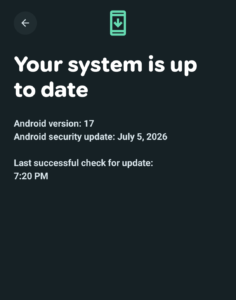
As I’m writing this review in July 2026, my Pixel 7a is already running the July 2026 security patch, and I’ve also been using Android 17 for well over a month. That’s genuinely impressive for a mid-range smartphone that’s been on the market for three years.
Just think about it—how many mid-range Android phones from the same generation have already received Android 17 along with the latest monthly security updates? Very few, if any. This level of software commitment is one of the biggest reasons Pixel phones continue to age so well.
I’ll be covering my complete Android 17 experience and all the new features in a separate article, so I won’t go into detail here.
What I can say, however, is that every software update has generally made the phone feel more refined and stable. Throughout my entire ownership, I’ve never had to deal with unnecessary ads, unwanted background apps, or the kind of software clutter that’s still common on many Android smartphones.
Overall, the software experience remains one of Pixel 7a’s strengths. Even after three years, it continues to feel clean, modern, well-optimised, and surprisingly fresh—making it one of the biggest reasons I still enjoy using this phone today.
Final Verdict: Is the Pixel 7a Still Worth Buying in 2026?
After nearly three years of daily use, one question matters more than anything else: Is the Google Pixel 7a still worth buying in 2026?
Based on my long-term experience, I’d say the answer is both yes and no—depending on who you’re asking.
Even after three years of daily use, the Pixel 7a continues to excel at the things that matter most. Its excellent rear cameras, clean Android experience, consistent software updates, and dependable everyday performance make it a smartphone that has aged remarkably well. If your priorities are photography, software quality, and a smooth day-to-day experience, the Pixel 7a still holds its own surprisingly well.
Of course, time hasn’t been kind to every aspect of the device. Battery life has always been one of its weaker points, and after years of use, it’s even less impressive. The phone also isn’t designed for heavy gaming or sustained performance-intensive tasks, and some hardware components—such as the physical buttons—have naturally started showing signs of wear.
That said, I’d also like to make one thing very clear.
Everything I’ve shared in this review is based on my personal experience of using the Pixel 7a as my primary smartphone for the past three years. If you’re interested in another long-term smartphone experience, I’ve also shared my detailed review of the iPhone SE 2020 after several years of daily use. Technology has moved forward since then. Google has already introduced newer Pixel devices, offering faster hardware, improved efficiency, and newer features than the Pixel 7a. Naturally, these newer phones offer better hardware, improved efficiency, and more modern features.
Because of that, I wouldn’t recommend buying a brand-new Pixel 7a in 2026.
Overall, this Google Pixel 7a Long-Term Review shows that if you already own one, there’s no compelling reason to upgrade unless you specifically need better battery life, higher performance, or the latest camera hardware. The Pixel 7a still has plenty of life for everyday use.
Similarly, if you find the Pixel 7a in the used or refurbished market at a genuinely attractive price, I believe it’s still a smart purchase. You’re getting a phone with an excellent camera, one of the cleanest Android experiences available, reliable software support, and performance that’s more than capable for everyday tasks.
In the end, the Pixel 7a isn’t a perfect smartphone—but it has never tried to be. Instead, it focuses on doing the fundamentals exceptionally well. Even with a few compromises, it remains one of the most balanced and thoughtfully designed mid-range smartphones I’ve used, and that’s why, even in 2026, the Pixel 7a remains a phone I can confidently recommend to the right buyer—not because it’s the newest, but because it still gets the fundamentals right.
Pros
- Excellent rear cameras with natural, consistent image quality
- Clean, bloatware-free Android experience
- Timely Android version upgrades and monthly security updates
- Smooth and reliable day-to-day performance
- Compact, comfortable design with a premium in-hand feel
- HDR-capable OLED display with vibrant colours and sharp visuals
- Well-optimised software that continues to age gracefully
Cons
- Battery life has always been below average
- Standby battery drain is noticeably high
- Charging speeds are average by today’s standards
- Front camera no longer feels competitive against newer smartphones
- Heating can occur during extended camera use and gaming
- Not intended for heavy gaming or sustained high-performance workloads
- Plastic back and physical buttons show wear over time
Hi Brijesh, really helpful long-term review . Exactly what I needed as someone considering the Pixel 7a in 2026. The real world insights on how it’s held up are super useful. Would love to see more reviews like this from you!
Thank you so much for taking the time to read the review. I’m really glad you found the long-term ownership experience helpful. More honest, real-world reviews are definitely on the way. Thanks for your support!